
Get to know
Lexo
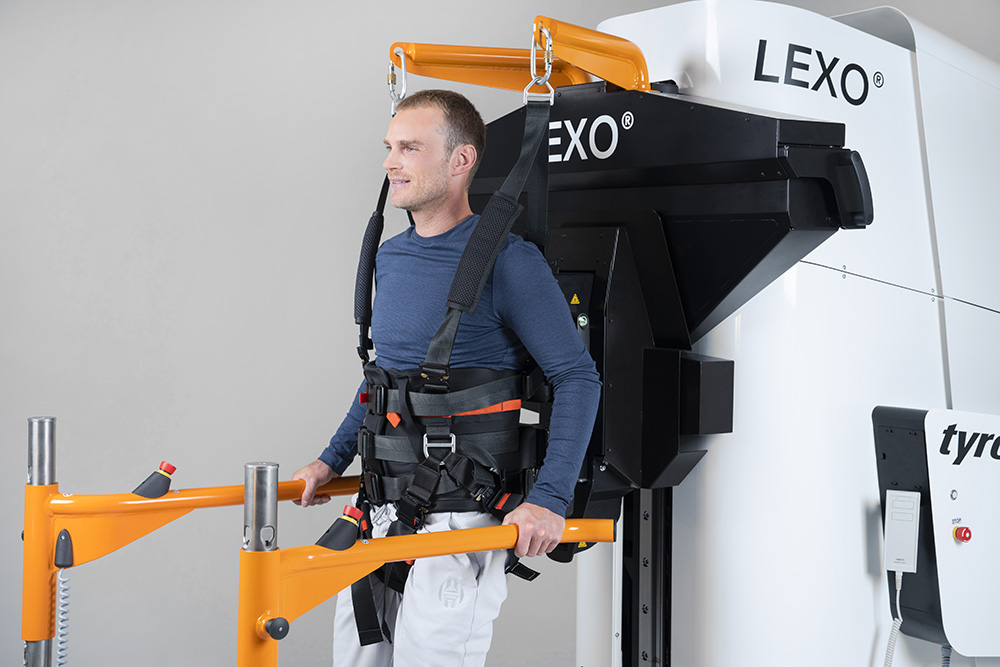
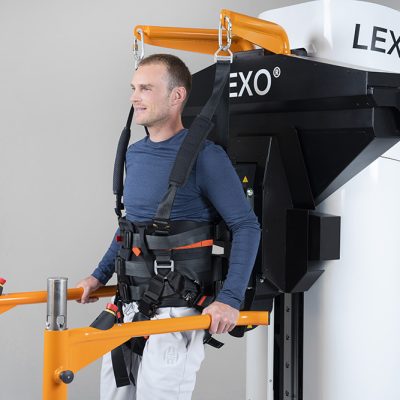
Lexo is an end-effector-based gait trainer designed to maximize therapy efficiency through fast setup, high patient activity, and integrated trunk support. It enables intensive, evidence-based gait training while supporting optimized workflows and allowing clinics to treat more patients effectively.

Flexible Solutions For Every Patient

Efficient Therapy Setup
Active Patient Engagement
You are currently viewing a placeholder content from YouTube. To access the actual content, click the button below. Please note that doing so will share data with third-party providers.
More Information

Therapeutic rehabilitation
with Lexo.
Robotic end-effector gait training combines strong clinical evidence with practical usability, making it a highly effective solution for modern gait rehabilitation. Designed to support both therapists and patients, the system offers a new standard in robotic therapy through efficient setup, active patient engagement, and a space-saving design.
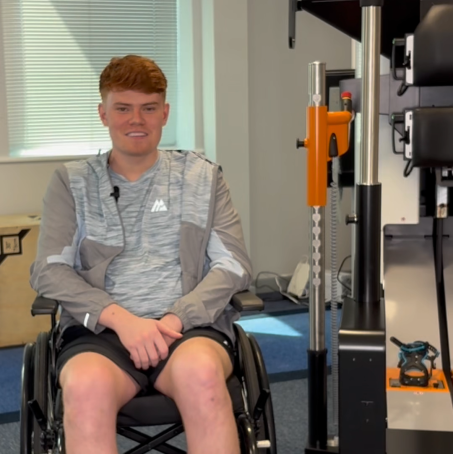

One device for children,
adolescents and adults
Pediatric Kit assures physiologically optimized positioning for children and adolescents while working on aspects of gait such as independent walking, walking velocity, and walking capacity.


Frequently Asked Questions
Lexo
What is the difference between end‑effector‑ and exoskeleton‑based gait trainers?
End-effector gait trainers like Lexo guide stepping via motorized foot plates, while exoskeletons move the legs through an attached motorized frame. End-effector systems are quicker to set up, allow better therapist access, promote active participation, and suit more patients, including those with contractures, orthoses, or prostheses.
Which patients are suitable for therapy with Lexo?
Lexo is intended for gait rehabilitation in patients with impairments in walking and mobility. Common indications include neurological conditions such as stroke, spinal cord injury (including high complete injuries), and cerebral palsy. Detailed indications and contraindications are provided in the Instructions for Use (IFU).
What is the patient height and weight range for Lexo?
Lexo therapy is suitable for patients weighing between 15kg (33 lbs) and 180kg (397 lbs). Additionally, it can accommodate patient heights ranging from 100cm (3’4”) to 200cm (6’7”).
Why is regular maintenance required for Tyromotion devices?
Regular maintenance is essential to ensure the safe operation, performance, and regulatory compliance of Tyromotion rehabilitation systems. It helps maintain therapy quality, protects warranty and service claims, and ensures that devices can be used reliably in daily clinical practice.


